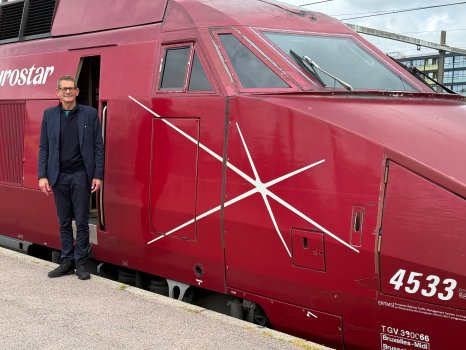
30 years of Eurostar to Paris
How long have you worked at NS?
'I joined NS in 1979 as a domestic train driver, so I've been with the company for 46 years. Before moving to Thalys, I worked as an assistant process manager, a role in which I also delivered training. Following a reorganisation, I had to look for something new. Because I got a great deal of satisfaction from training, I made the move to NS Training around 1995. That was precisely the period when NS was busy preparing for the arrival of Thalys. In 2016 I returned to driving full-time, and I still enjoy it enormously.'
We've been running Eurostar services to Paris for 30 years. What is your fondest memory from this period?
'Without a doubt, it's the pioneering spirit of the early years. Nothing was arranged yet, so I went to Paris to get to know the TGV and to Belgium to learn the railway regulations there. It was a completely different world. Our own border regulations didn't extend much beyond Roosendaal – Essen, so a great deal of new knowledge suddenly came our way.
Also new was the black box, in which every action was recorded. In the early days, the French took an above-average interest in the readouts. They would come and have words when they identified operating errors, which I then had to incorporate into revised training materials. The training was soon further refined as a result.'

What changes have you witnessed?
'Right from the start of Thalys, we were told that one day we would be travelling at 300 km/h. In the beginning, on the Amsterdam–Brussels route, we were still limited to 140 km/h. When we were finally able to use the high-speed line thirteen years later, the job became even more enjoyable. Over the years, the various regulations of the different countries have been brought closer together through European legislation. There is now an International Rulebook for all Eurostar drivers, which I also consider a major step forward. It has become much easier to stay up to date with the correct rules in the countries around us.'
Is there a particular stretch of the route you especially enjoy?
'The route runs largely alongside noise barriers and through tunnels, but that's precisely why the beautiful moments stand out all the more. Sometimes, between the Oude Maas and Dordtse Kil tunnels, you can see white herons standing there — it's always a magnificent sight. And during early shifts, the sunrise at the Moerdijk Bridge can be truly breathtaking.'
What do you think the train to Paris will look like in 30 years' time?
'The idea that there is someone at the front of the train gives passengers a sense of security. Even so, I think the role of the train driver will change in the future. More and more journeys will be automated, but I don't believe the driver will disappear entirely. Human oversight will remain important. Perhaps technology will ultimately advance so rapidly that trains run largely on their own. But by that time, I'll have been retired for a long while.'
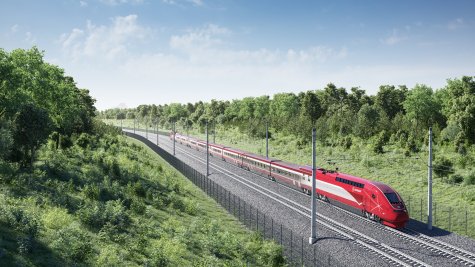
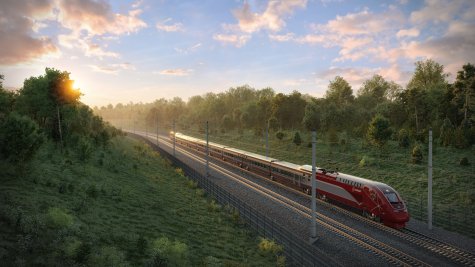
Train manager Perry on 25 years Thalys
Thalys celebrates its 25th anniversary. Train manager Perry likes to talk about his work on board the train and the changes over the past few years.

Discount Paris and London
Book discounted train tickets to Paris. Or to London. Or to both cities!