10 tips for a city trip to Rhineland-Palatinate
Discover the 10 hidden gems between the Rhine and the Moselle
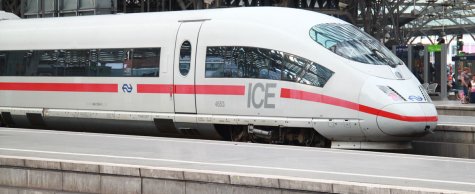
The towns along the Rhine and Moselle rivers in Germany's Rhineland-Palatinate region boast an impressive historical heritage and world-class wines. In Koblenz, Trier, Mainz, Worms, Speyer, and Idar-Oberstein, Roman ruins, medieval monuments, and steep vineyards are located surprisingly close together. You can travel from Amsterdam with the international ICE train in 4.04 hours to Koblenz.
1. Discover the oldest city in Germany
Trier was an important city in the Roman Empire. Today, the Porta Nigra — the best-preserved Roman city gate north of the Alps — and the monumental Basilica of Constantine still stand, as do parts of the Imperial Baths. Gladiators fought to the death in the amphitheatre. Now, almost two thousand years later, gladiator Valerius takes you on a tour of these turbulent times, guiding you through underground passages full of trapdoors, cages, and hidden passageways.

©Rheinland-Pfalz Tourismus GmbH
2. Taste sparkling wine in vaulted cellars
The Romans planted the first vines on the banks of the Rhine and the Moselle. The city of Koblenz later became a major centre for the production of wine and sparkling wine. You can sample sparkling wines in the atmospheric cellars with long corridors of the Koblenz Sparkling Wine Museum.

©Rheinland-Pfalz Tourismus GmbH
3. Experience the laid-back Mainz vibe
Mainz is part of the exclusive international network of Great Wine Capitals, comprising exceptional wine regions from around the world. Yet the city's atmosphere is relaxed. In traditional wine taverns in particular, you can experience what the locals call the Mainzgefühl: tables are close together, and empty seats are shared spontaneously. This means that, as a visitor, you’ll soon find yourself chatting with the locals while enjoying regional wines such as crisp Rieslings and characterful Pinot Whites.

©Rheinland-Pfalz Tourismus GmbH
4. Visit the mountain fortress and rock church in Idar-Oberstein
Oberstein Castle is located on a striking rock formation in the town of Idar-Oberstein. The medieval castle was badly damaged by fire in 1855, but was partially restored after 1980. A path leads from the castle to the historic town centre and the Felsenkirche, a church literally built into the rock face.
.

©Rheinland-Pfalz Tourismus GmbH
5. Enjoy jazz in the open air
As the sun sets over the Roman ruins of the Porta Nigra on summer evenings, the historic centre of Trier is filled with contemporary sounds. Jazz im Brunnenhof has been one of the city’s cultural highlights for many years now. From early July to late August, a concert takes place here every week featuring artists from Germany and abroad. The programme ranges from classic jazz to modern interpretations and world music.

©Rheinland-Pfalz Tourismus GmbH
6. Kick off the day with a market breakfast
Saturday mornings in Worms begin with one of the town’s most convivial traditions: the markt breakfast. From March to October, the area next to the Baroque Dreifaltigkeitskirche is transformed into a culinary hub every Saturday, where visitors and locals gather to sample regional produce and enjoy a glass of wine.

©Rheinland-Pfalz Tourismus GmbH
7. Travel back in time to the Holy Roman Empire
Beneath Speyer Cathedral, a monumental Romanesque cathedral and UNESCO World Heritage Site, lie the remains of eight German emperors and kings – a tangible reminder of the city's significant role in the Holy Roman Empire.
The nearby Historisches Museum der Pfalz features an exhibition called 'Kreuz und Krone', which offers an insight into the history of Speyer Cathedral and the diocese. It showcases precious relics, bishop's mitres, and liturgical objects.

©Rheinland-Pfalz Tourismus GmbH
8. Go on a wine walk in Koblenz
With WeinStadtWandern, you can explore Koblenz while enjoying a glass of wine. At the Tourist Information Centre, you will receive a backpack containing a bottle of chilled 'Golden Wine', two wine glasses, and a map showing the main sights. The route will take you past the striking Liebfrauenkirche with its onion-shaped towers, St. Kastor’s Basilica, and the Deutsches Eck, where the Rhine and Moselle meet.

@Koblenz-Touristik GmbH/Johannes Bruchhof
9. Marvel at the technology and craftsmanship behind jewellery
Idar-Oberstein is renowned for its jewellery and gemstones. Producing them requires not only craftsmanship, but also technical ingenuity. At the Jakob Bengel Industrial Heritage Site, an intact historic factory, the old machinery is still running at full speed during guided tours.

©Rheinland-Pfalz Tourismus GmbH
10. Discover the Jewish SchUM Cities
For centuries, Speyer, Worms and Mainz have played a significant part in the development of Jewish religious and cultural life in Europe. The SchPIRA Museum in Speyer recounts the history of the local Jewish community. Nearby, a medieval mikveh (a ritual Jewish bath dating from 1128), a synagogue and the Frauenschul have been preserved.

©Rheinland-Pfalz Tourismus GmbH
To Rhineland-Palatinate by train
From Amsterdam Centraal you can travel with the international ICE train, with one layover in Cologne, in 4.04 hours to Koblenz. You will arrive at your destination in no time. Book well in advance and the price is € 28 for a one-way trip. Children 14 years and younger travel for free! It's best to buy your tickets from a station near you.
Read more about taking the train to Koblenz
This article was created in collaboration with the German National Tourist Board.